Lancaster MA
AboutLANCASTER
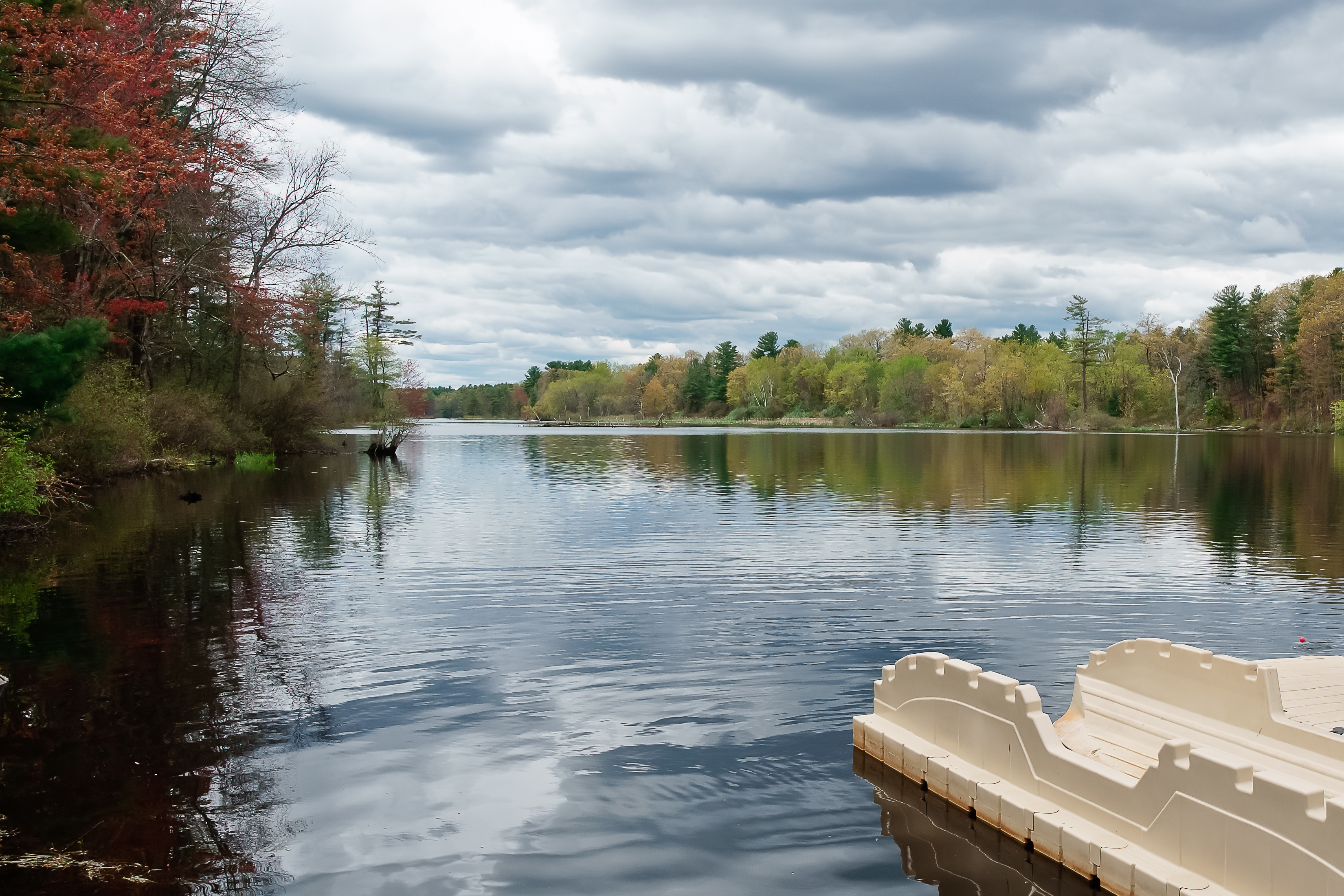
Lancaster, Massachusetts, is a rural town of about 8,400 residents located approximately 40 miles northwest of Boston in Worcester County, at the confluence of the North and South branches of the Nashua River. As the oldest town in Worcester County, Lancaster offers a historic town center along Route 70, with convenient access to Route 117, Route 2, and Interstate 190. Known for its open farmland, conservation land, and Federal-period architecture, Lancaster provides a quiet, small-town setting within the Nashoba Regional School District. Residents enjoy local farm stands, river access for paddling, and a strong connection to the town's colonial history.

Lancaster
Highlights

LANCASTER
history
Lancaster was first settled in 1643 as "Nashaway," named for the local Nashaway tribe, and was officially incorporated in 1653 as Lancaster, named for the English hometown of founder John Prescott. As the oldest town in Worcester County, Lancaster served as the "mother town" for much of central Massachusetts, with Harvard, Bolton, Leominster, Sterling, Berlin, Boylston, and Clinton all originating as parts of Lancaster before becoming their own towns. The town faced a severe test during King Philip's War, when Nipmuc and Narragansett warriors attacked on February 10, 1676, destroying much of the settlement and capturing several residents, including Mary Rowlandson, whose later account of her captivity became a well-known piece of colonial literature. The town's fifth meetinghouse, designed by architect Charles Bulfinch in 1816, still stands today as a National Historic Landmark.

More about LANCASTER
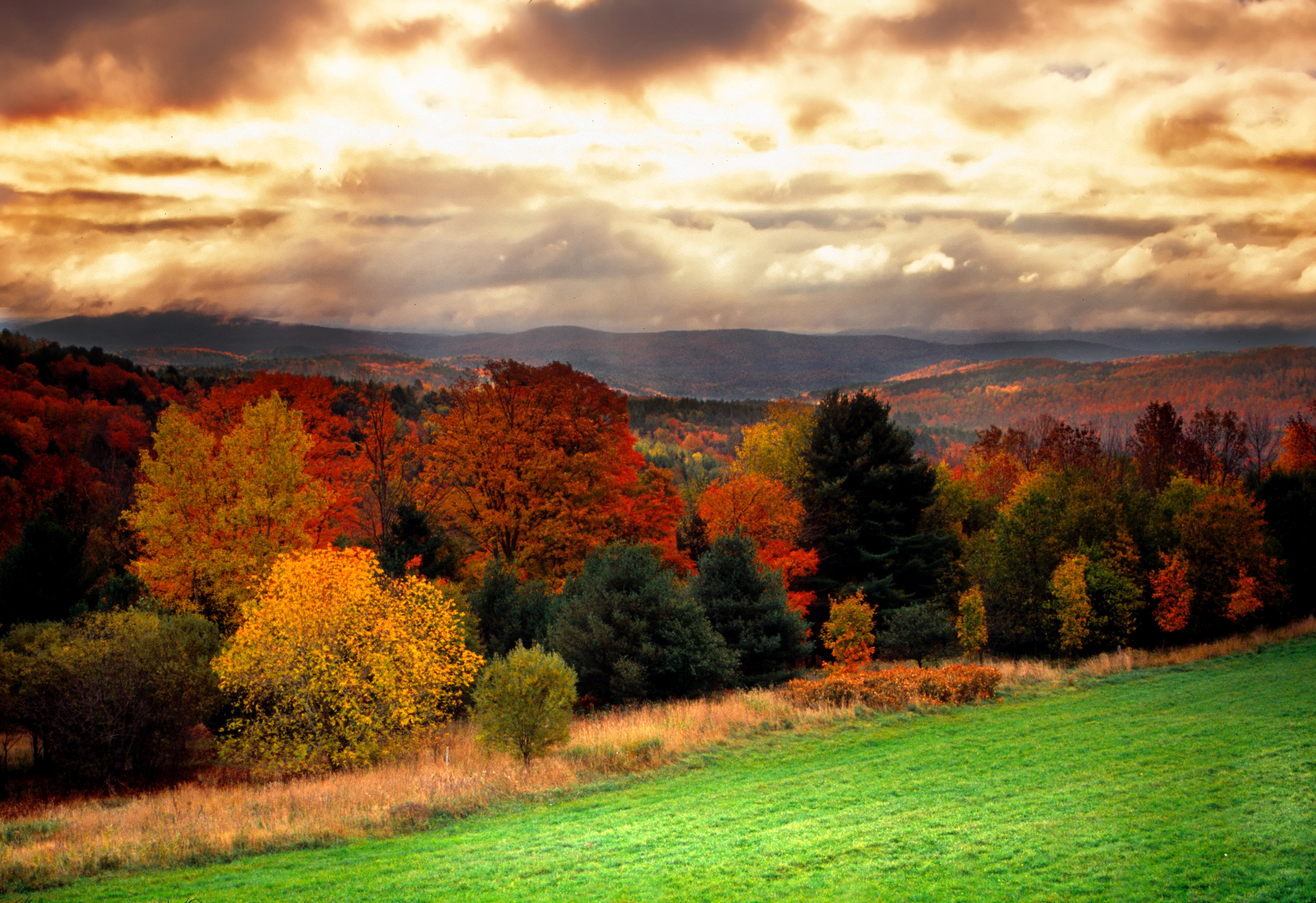
Lancaster's rural character remains visible throughout town, from working farms like Harper's Farm and Deershorn Farm to the conservation land protected by the Lancaster Conservation Commission along the Nashua River. The Nashua River Watershed Association, of which Lancaster is a founding member, reflects the town's long relationship with the river that runs through its center. The Center Village Historic District, anchored by the Bulfinch-designed First Church, preserves the look and feel of the town's earliest development. Residents value Lancaster's open space and agricultural land, which continue to shape daily life in a town that has held onto its rural identity even as neighboring communities have grown.
Work With Us.png)