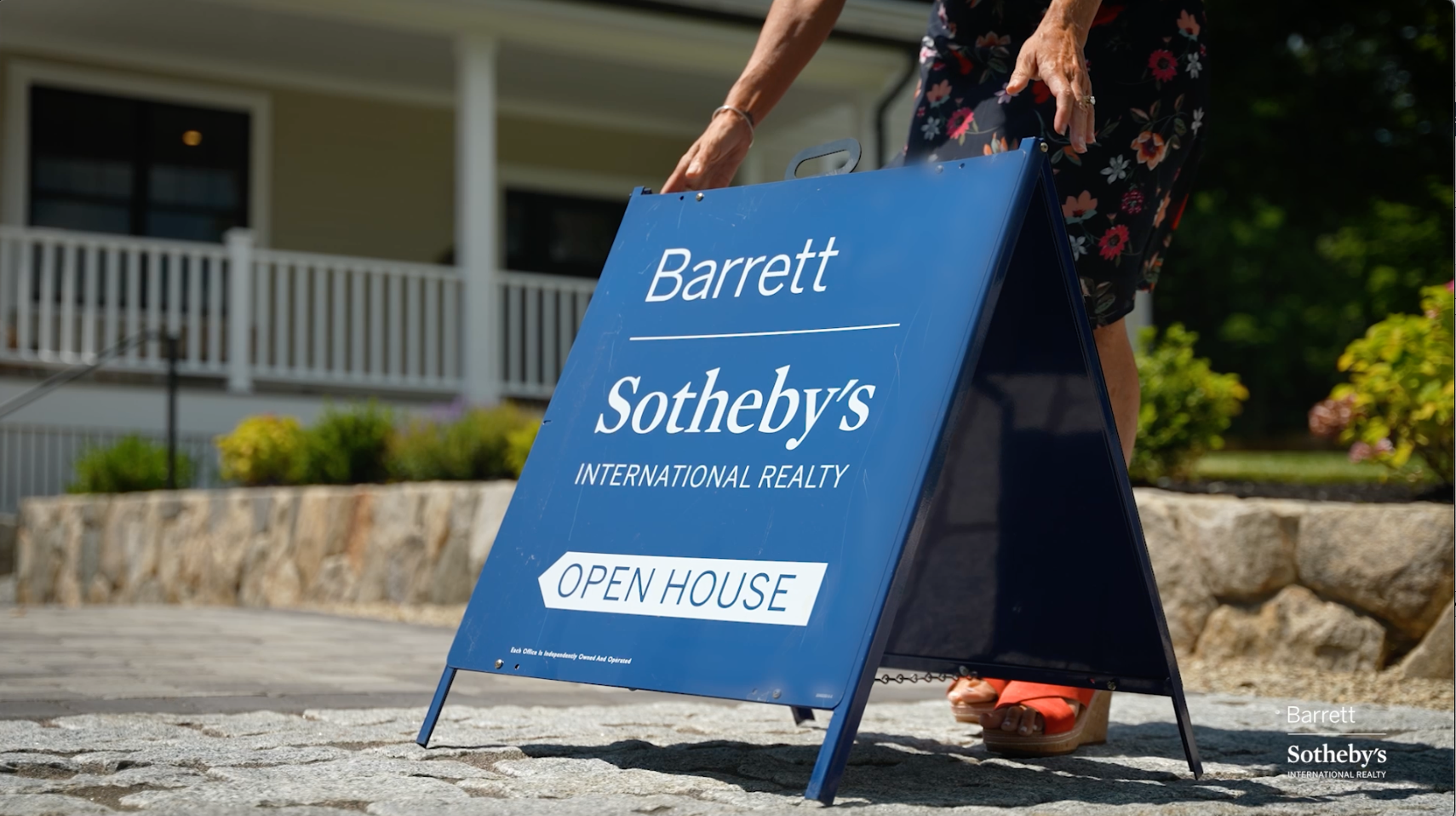
Spring is the busiest time of year in the real estate market - and open houses are everywhere. While they’re a great way to see homes, the most successful buyers don’t treat them as casual drop-ins. Instead, they use open houses as part of a broader strategy to learn the market, refine their search, and move quickly when the right home comes along.
Start with a Plan (and an Agent)
Before you begin touring homes, one of the most important steps is connecting with your real estate agent. It might feel early, but having an agent from the start gives you:
- A clear understanding of the market
- Insight into pricing and competition
- Guidance on what to look for (and what to avoid)
- A plan for when you’re ready to make an offer
Open houses are most valuable when you’re not figuring things out on your own - they’re part of a guided process.
How Open Houses Fit Into Your Search
Open houses are ideal for:
- Getting a sense of different neighborhoods
- Comparing layouts, finishes, and price points
- Refining your list of “must-haves” vs. “nice-to-haves”
- Seeing homes quickly without scheduling multiple appointments
They’re especially useful early in your search, when you’re still narrowing your focus.
Open House vs. Private Showing: What’s the Difference?
Both play an important role, but they serve different purposes.
Open Houses:
- Convenient and low-commitment
- Good for initial impressions
- A chance to see multiple homes in a short time
- Less privacy and limited time to explore
Private Showings:
- Scheduled through your agent
- Allow for a deeper, more thorough look
- Give you time to ask detailed questions
- Better for second visits or serious interest
A smart approach is to use open houses to screen homes, then schedule a private showing (with your agent) for any property you’re seriously considering.
Look Beyond the House Itself
One of the biggest advantages of open houses is the ability to experience a neighborhood, but timing matters. A home that feels quiet and relaxed at 12pm on a Sunday (prime open house hours) may feel very different at 5pm on a weekday.
If you’re seriously considering a home, it’s worth:
- Driving by at a different time of day
- Noticing traffic patterns and parking
- Getting a feel for the pace and activity of the area
This extra step can give you a much more complete picture of what living there will actually feel like.
What to Pay Attention to During an Open House
It’s easy to get distracted by staging and finishes. Instead, focus on:
- Layout and flow—does it fit your lifestyle?
- Natural light and orientation
- Storage space and functionality
- Condition of major systems (as much as you can observe)
- The surrounding neighborhood and street
Take notes or photos (if allowed) - after seeing a few homes, they can start to blur together.
Be Ready When It Matters
In a competitive spring market, the right home may not last beyond the weekend. If something stands out:
- Let your agent know right away
- Consider scheduling a private showing
- Be prepared to act quickly if it’s the right fit
Preparation, not speed, is what gives buyers an edge.
Open houses are a valuable tool, but they’re most effective when used with intention. By starting with a plan, partnering with an agent early, and using open houses to guide your next steps, you’ll be in a much stronger position when the right home comes along.
Ready to get started? Reach out to one of our experienced buyer’s agents today to build a smart, strategic plan for your home search.