The spring market remained active across Boston's northwest suburbs, with many communities continuing to see homes sell above asking price and within weeks of listing. While some higher-priced markets such as Lexington, Concord, and Winchester saw prices moderate compared to last year, demand remained strong across much of the region. Limited inventory continues to support home values, though buyers appear to be taking a more measured approach in certain communities compared to the frenzied pace of recent years.
Pricing Trends: A Market of Contrasts
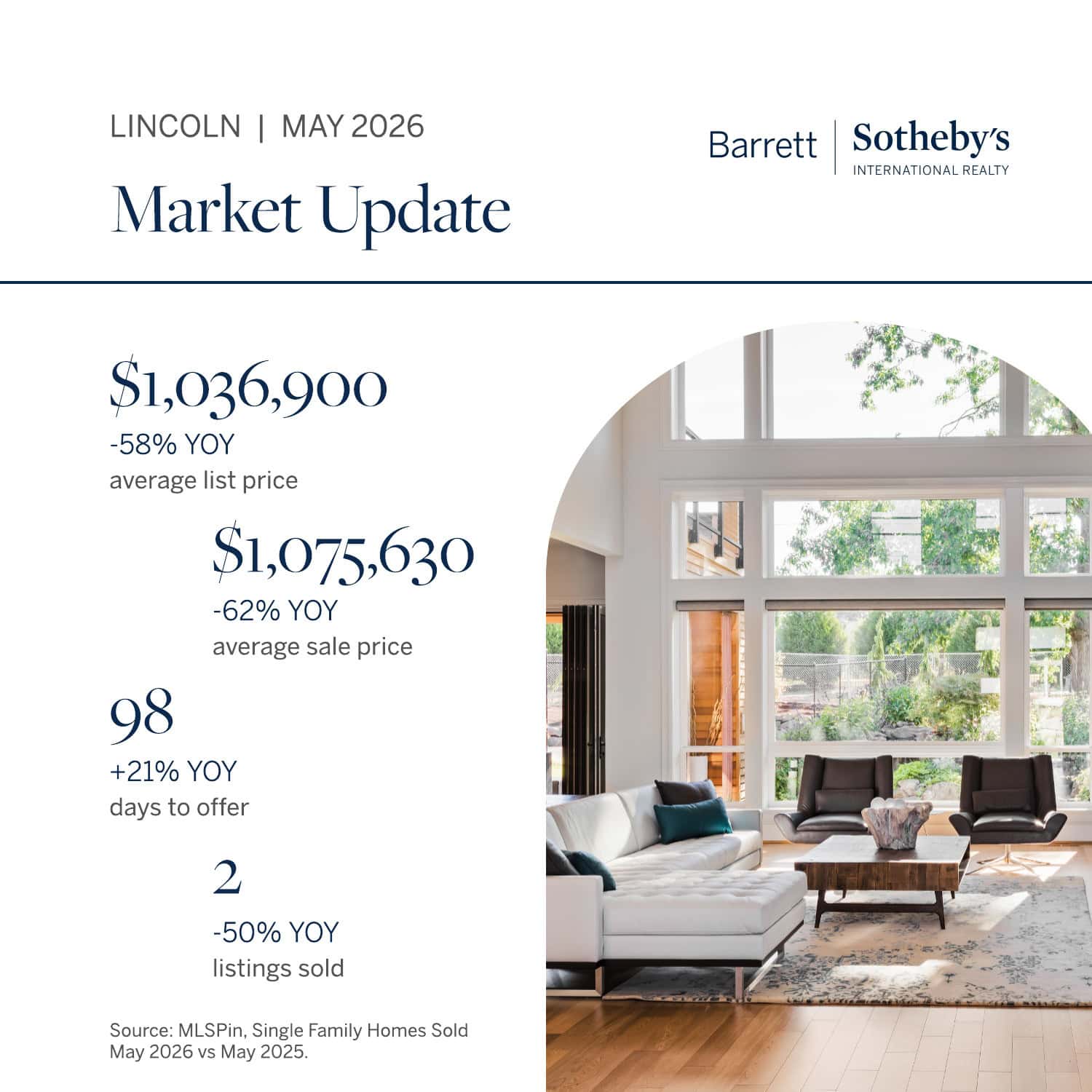
Home prices showed varying trends across the region this month, reflecting differences in both buyer demand and the mix of homes sold.
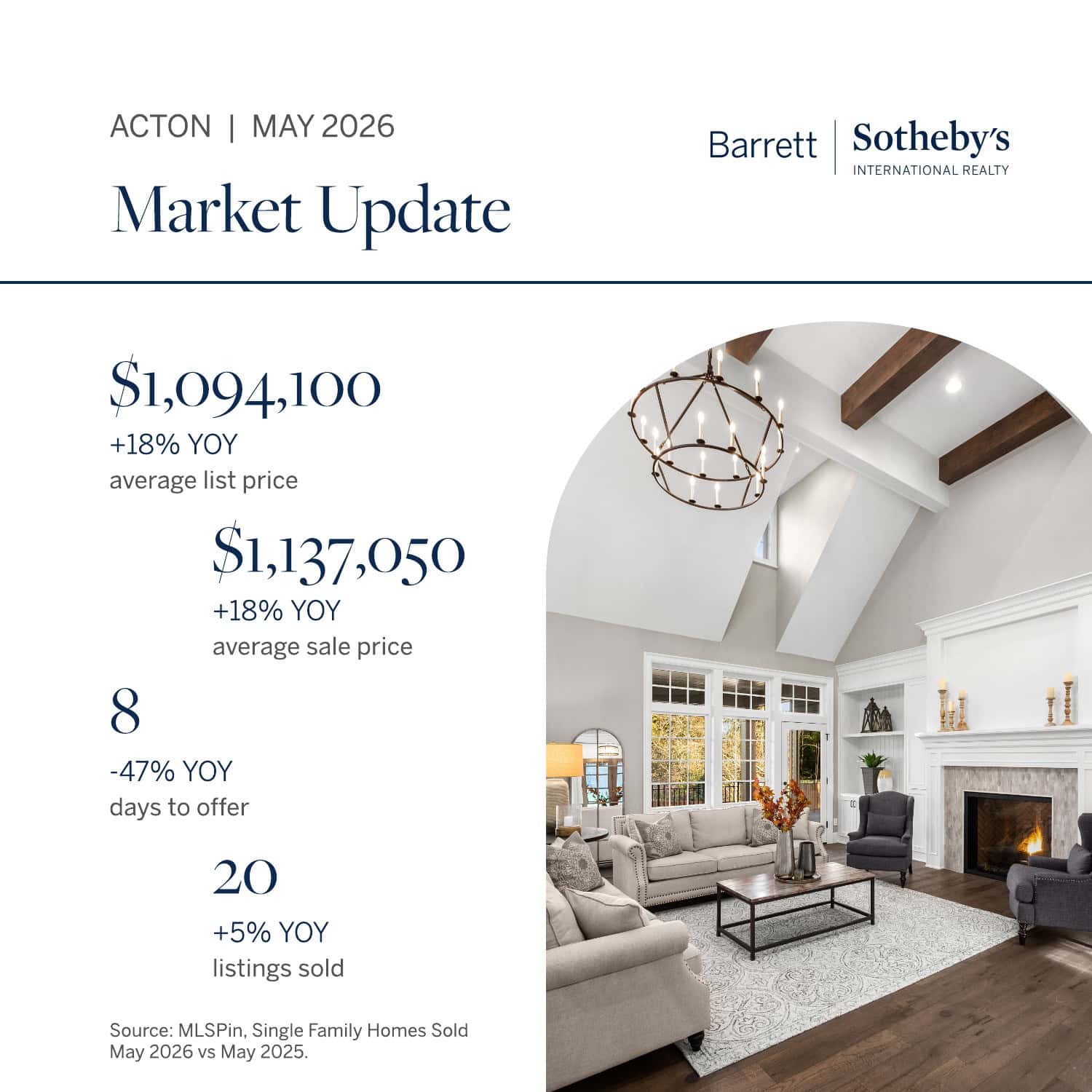
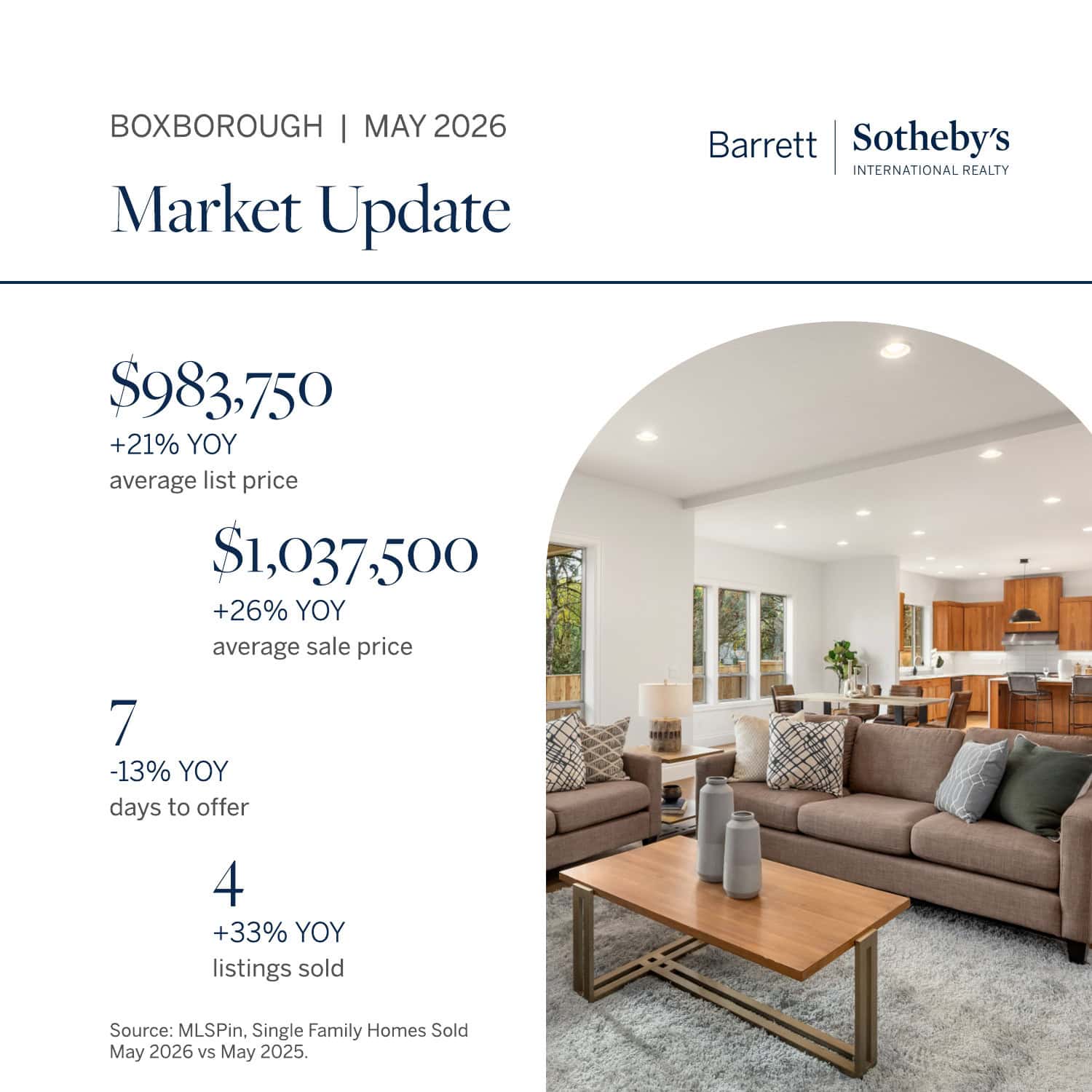
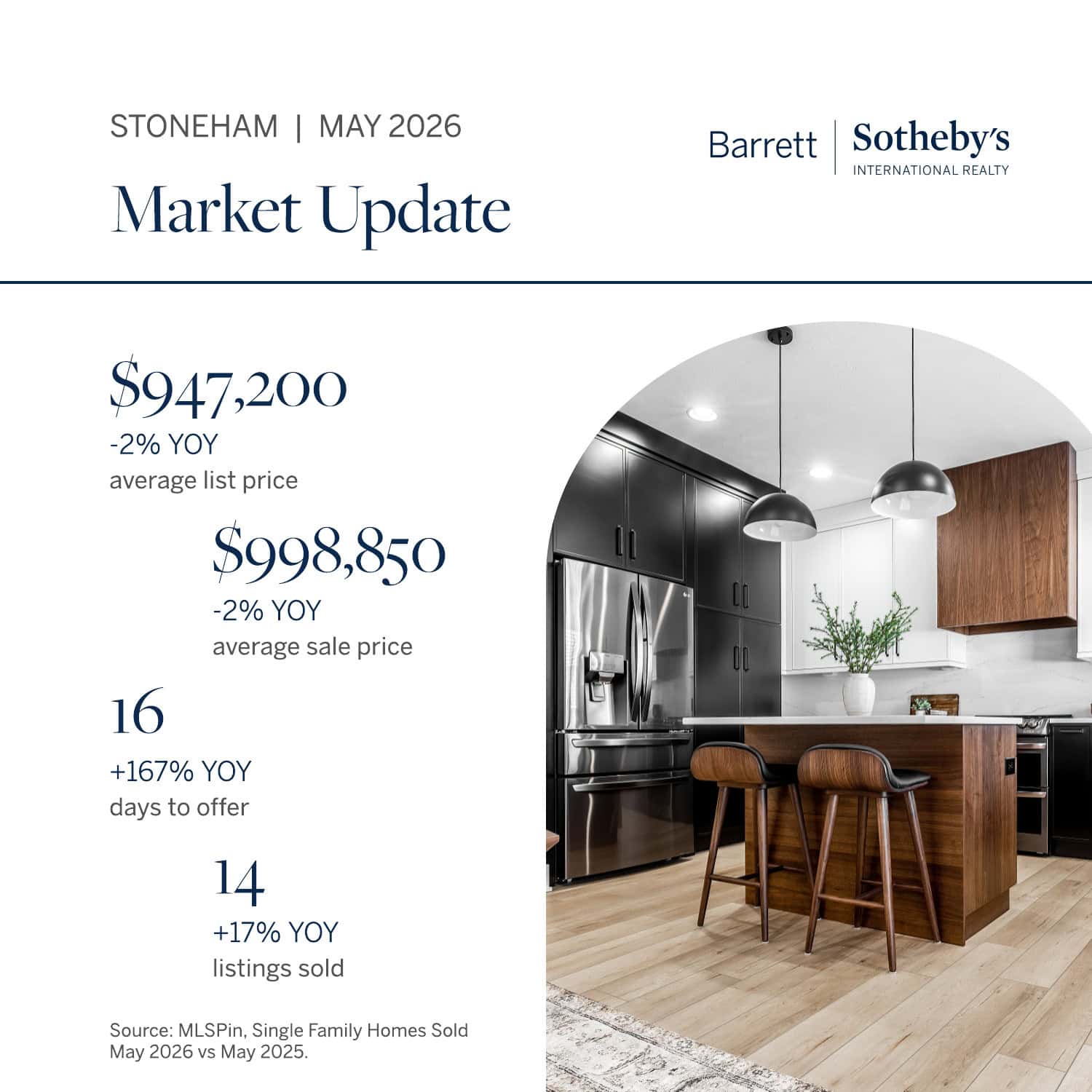
Acton was one of the strongest performers, with average sale prices rising 18% and median prices increasing 12%. Stoneham also saw median prices rise 6%, while Boxborough posted impressive gains, with average sale prices up 26% and median prices up 33%.
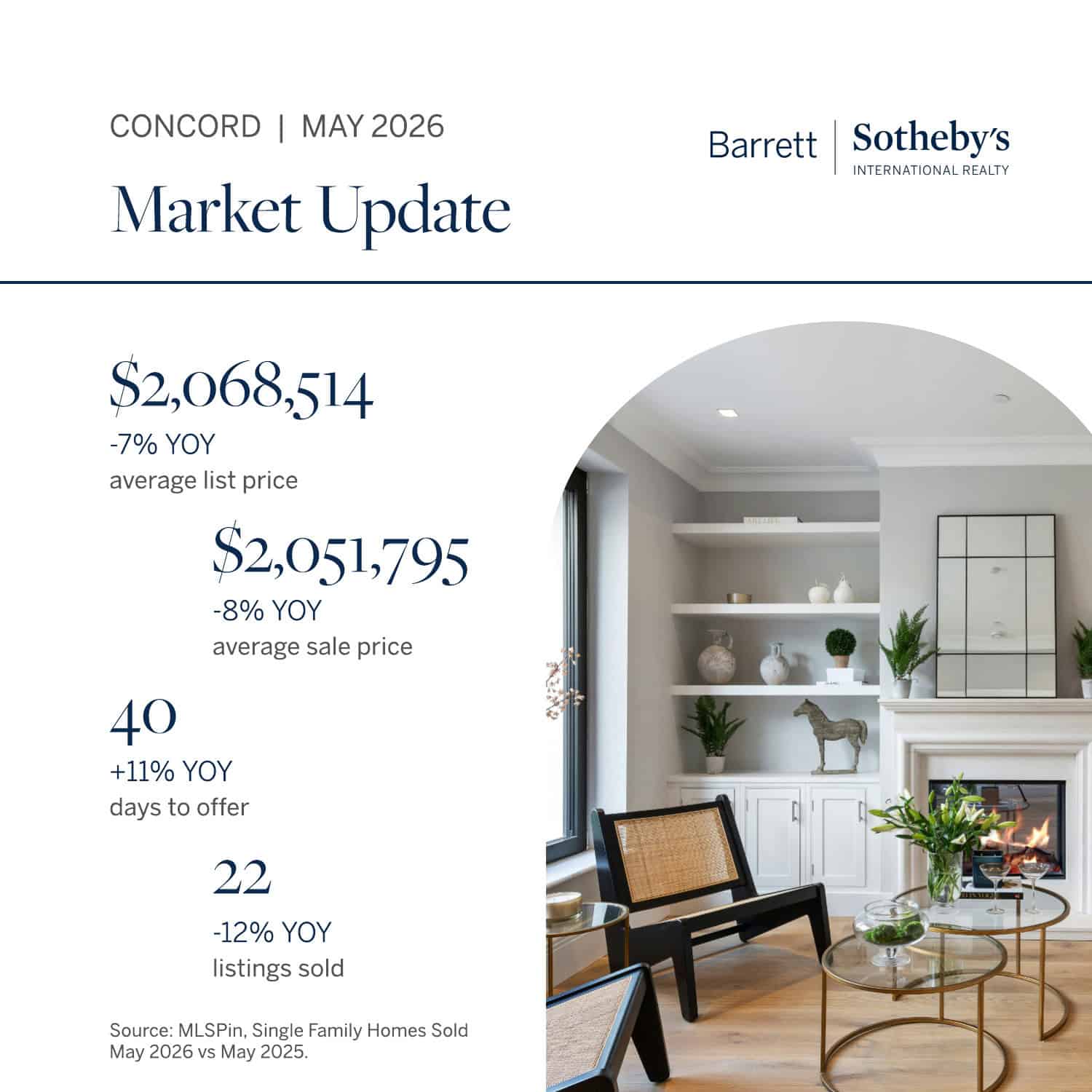
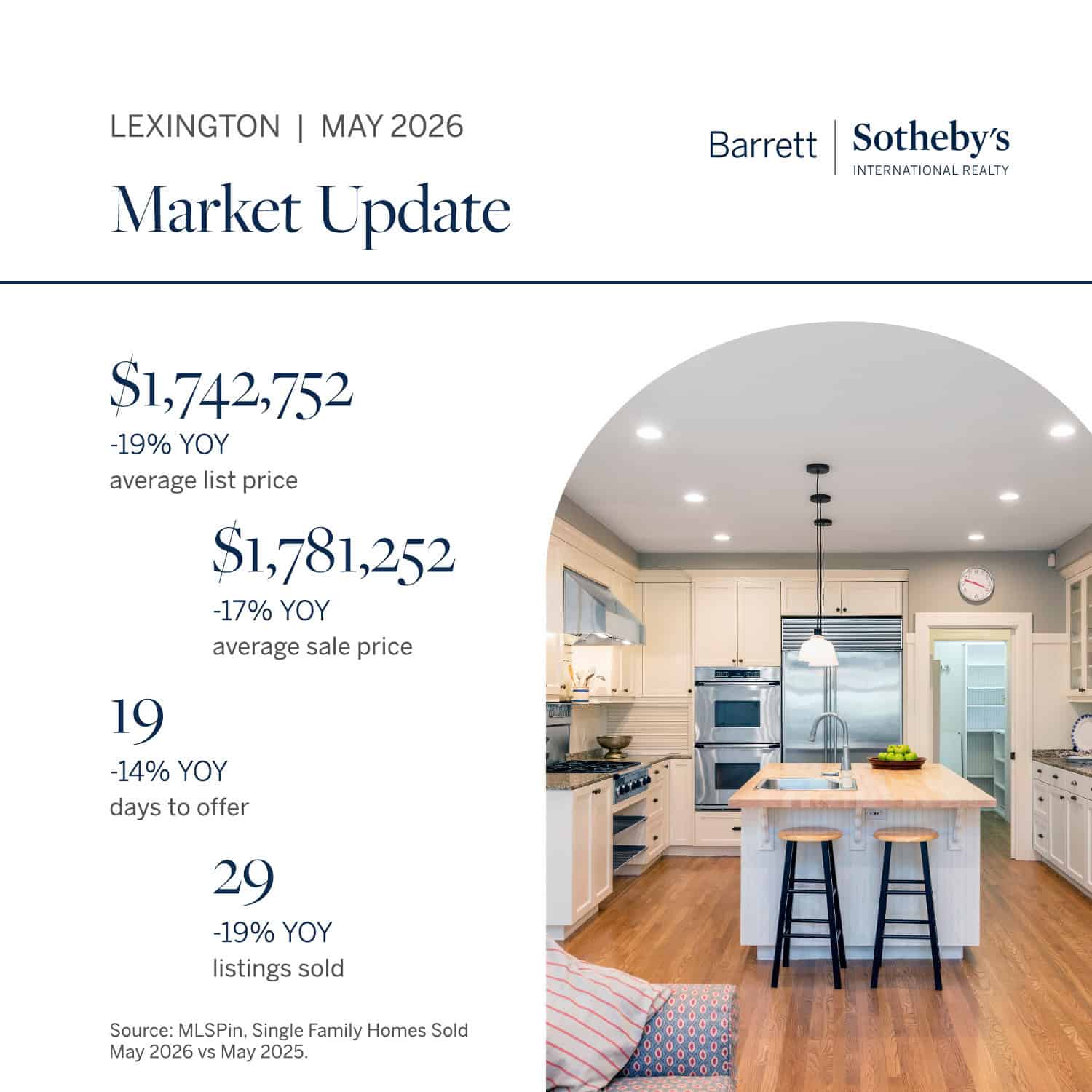
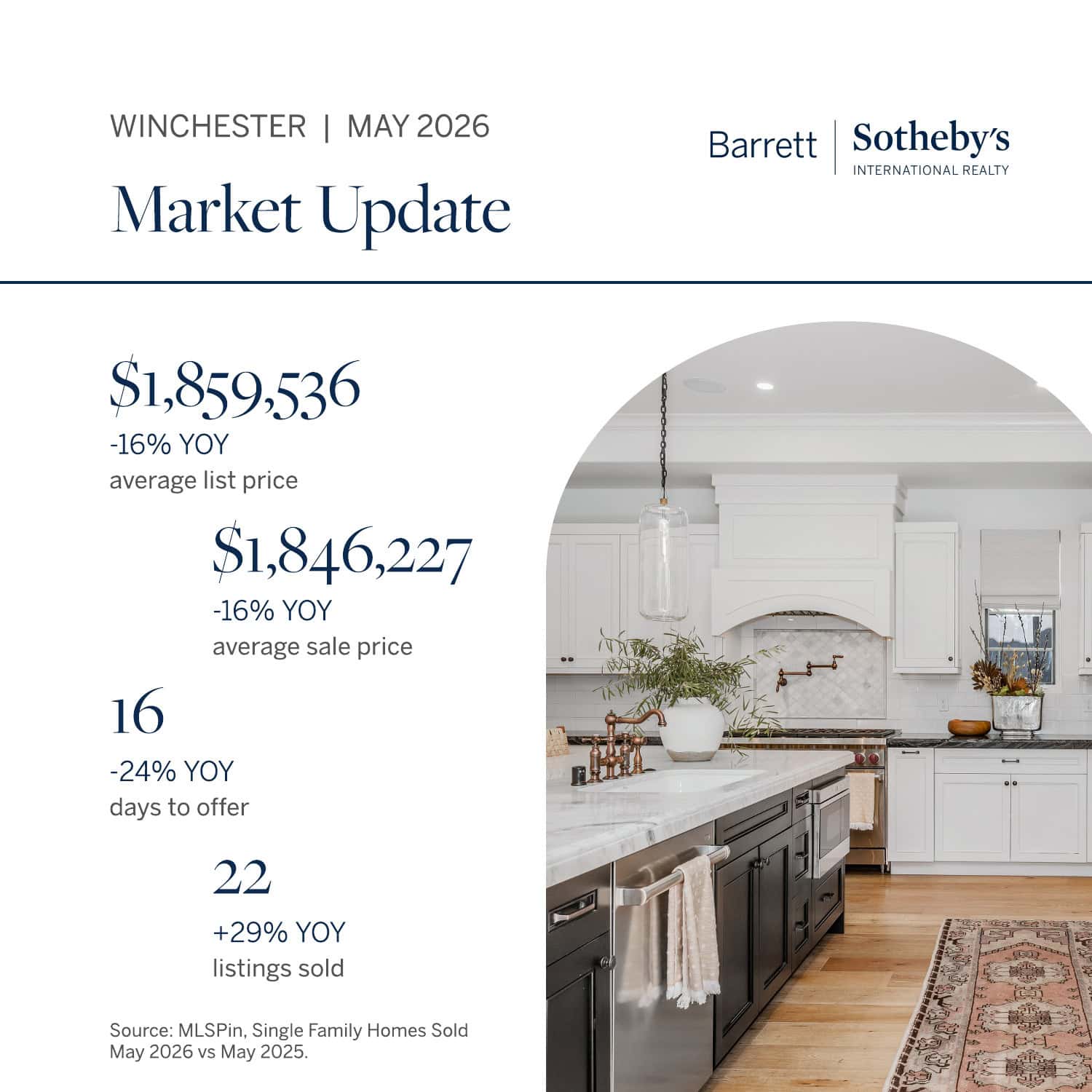
Meanwhile, several of the region's highest-priced communities experienced some moderation. Lexington's median sale price declined 11% year-over-year, Winchester's fell 21%, and Concord's decreased by 8%.
While these figures suggest some cooling at the upper end of the market, they do not necessarily indicate weakening demand. In many cases, they reflect the specific mix of homes that sold during the month rather than broad market declines.
Inventory Trends: Supply Remains Limited
Inventory continues to be one of the most important factors shaping the market.
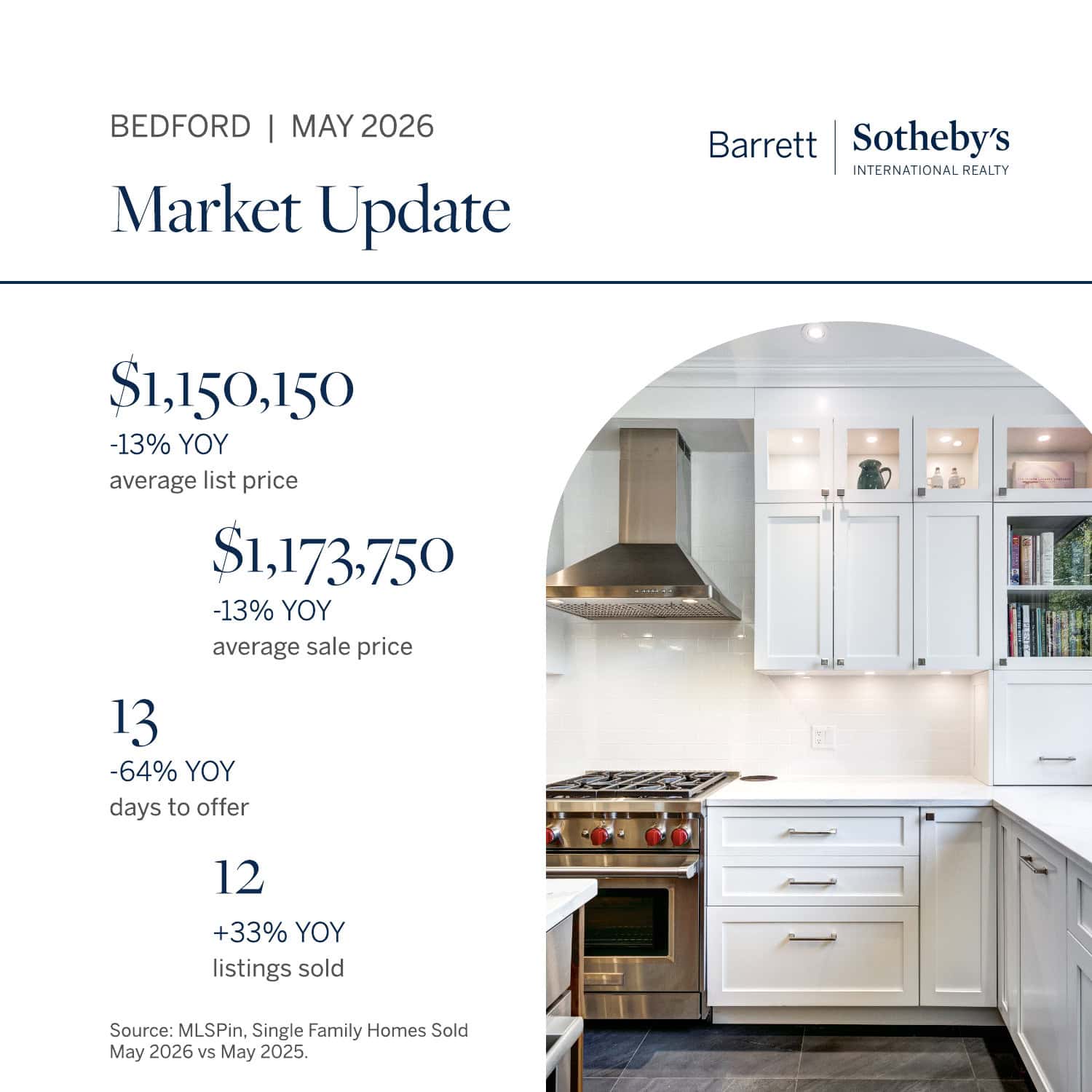
Several communities saw increased sales activity compared to last year. Bedford recorded 12 sales compared to 9 a year ago, while Winchester increased from 17 sales to 22. Stoneham also saw activity rise from 12 sales to 14.
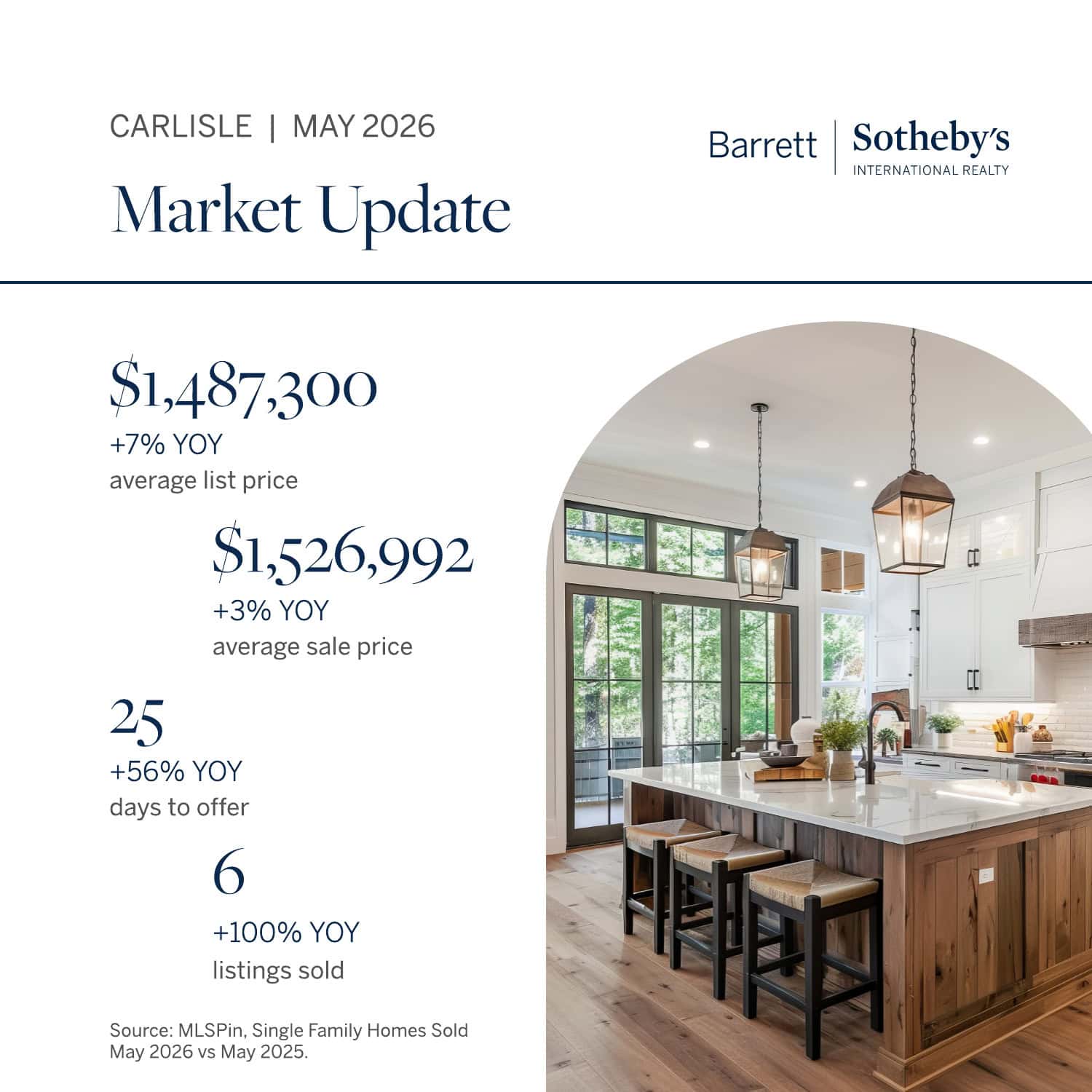
In some of the region's smaller markets, the increase was even more notable. Carlisle recorded 6 sales compared to just 3 last year, and more than doubled the total market volume. While Boxborough only saw a small increase in the number of sales - 4 sales compared to 3 -this increase in activity contributed to substantial gains in total market volume, with a nearly 70% increase year over year.
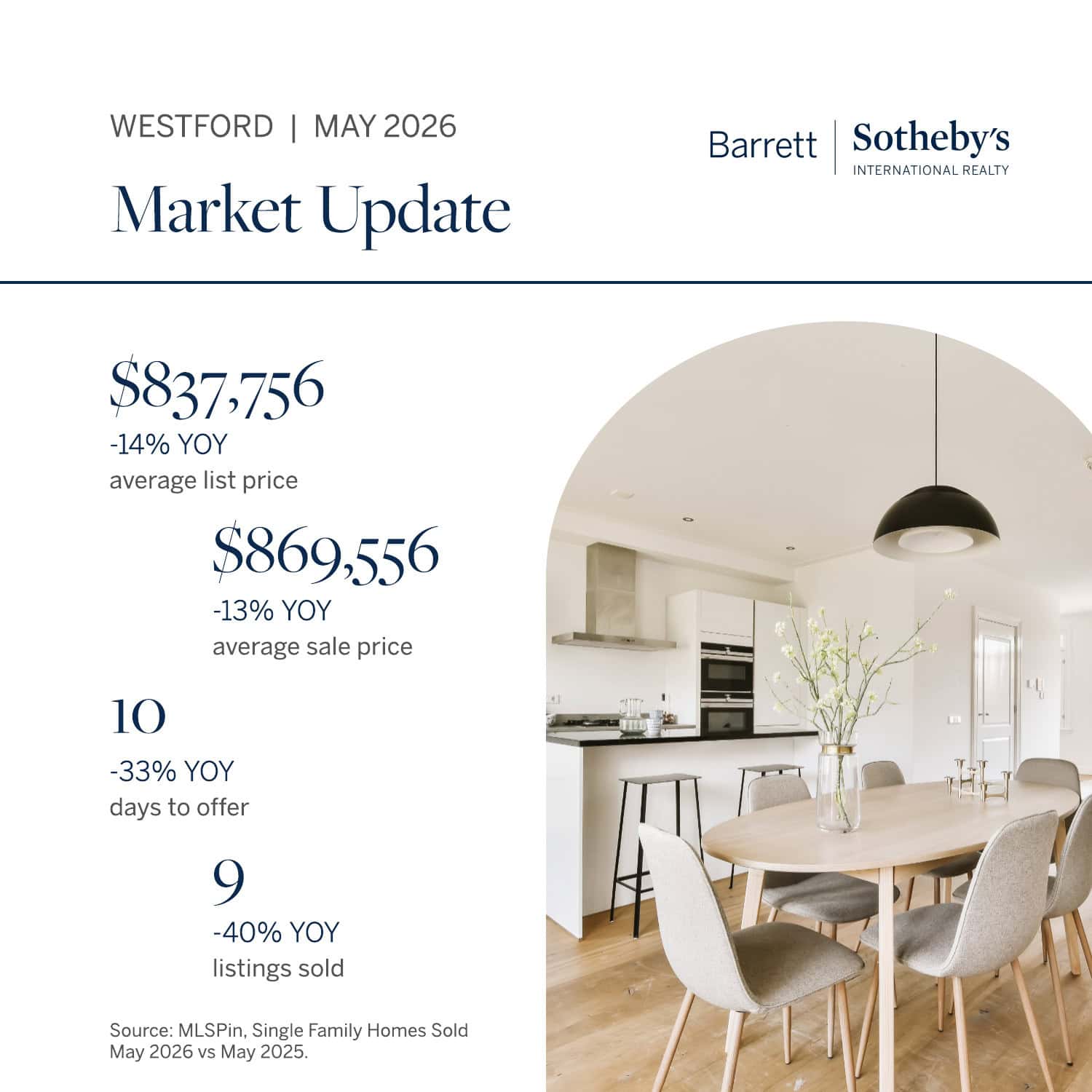
Other communities continued to face constrained supply. Westford saw sales decline from 15 to 9, Lexington dropped from 36 to 29, and Concord slipped from 25 to 22.
Overall, inventory remains tight throughout much of the region, helping to support pricing and maintain competition among buyers.
Buyer Urgency: Many Homes Are Selling Faster
One of the clearest indicators of ongoing demand is how quickly buyers are making offers.
Several communities saw significant improvements in Days to Offer compared to last year. Bedford more than halved the time taken to get an accepted offer - from 36 down to just 13 days. Acton saw a similar shortening, from an average of 15 days in 2025 down to just 8 this year. In Westford the average shifted from 15 days to 10, and Winchester also saw a faster-moving market with an average of 16 days to offer compared to 21 the previous May.
These reductions suggest buyers remain highly motivated and prepared to act when desirable homes become available.
A few markets experienced the opposite trend. Stoneham's average Days to Offer increased from 6 days to 16 days, while Concord moved from 36 days to 40 days. Carlisle also saw Days to Offer increase from 16 days to 25 days. While these homes are still selling, buyers appear to be taking more time to evaluate their options than they did a year ago.
The broader trend, however, points to a market where well-priced homes continue to attract attention quickly.
Sale Price-to-List Price Ratios: Competition Remains Strong
Perhaps the strongest evidence of ongoing demand is the fact that homes continue to sell at or above asking price across virtually every community.
Current sale price-to-list price ratios include Stoneham and Boxborough at 106%, Acton at 105%, and Lexington and Westford, where homes are selling on average for 104% of the list price.
Even in markets where average prices declined compared to last year, buyers continued to pay full asking price or more for desirable properties.
This indicates that competition remains healthy and that properly priced homes continue to attract strong interest.
Looking Ahead
The data points to a market that remains fundamentally competitive, with limited inventory, strong sale-to-list price ratios, and buyers who are ready to act when the right property becomes available. While some higher-priced communities are seeing a more balanced pace than in recent years, demand remains strong throughout much of the region.
As always, real estate trends can vary significantly from one neighborhood - or even one price point - to another. If you'd like more detailed information about home sales activity in your town or neighborhood, contact our team. We're happy to provide local market insights and help you understand what today's market means for your specific real estate goals.